Department
About
Department Vision: To offer quality education in Civil Engineering and Civil Engineering Technology, producing competent, ethical, and responsible graduates who contribute effectively to the construction industry, sustainable development, and the community.
Fully equipped Materials Testing, Geotechnical, Surveying, Fluid & Hydraulics, and Transportation labs providing hands-on, industry-relevant learning experiences.
Students gain proficiency in AutoCAD, SAP2000, ETABS, and Primavera P6, preparing them for real-world design and project management roles.
Designed to bridge theoretical knowledge and field application, producing graduates ready for immediate industry contribution.
Leadership
Academics
Choose from 1 programme offered by the Department of Civil Engineering. Each programme page includes a full scheme of studies, eligibility criteria, fee structure, and career prospects.
Innovation
Structural engineering deals with the ‘bones and muscle’ of construction that create man-made structures. Structural engineering employs the understanding and calculation of stability, strength, rigidity, and earthquake-susceptibility of structures to be built.
Transportation engineering is a branch of civil engineering that is involved in the planning, design, operation, and maintenance of safe and efficient transportation systems. These systems include roadways, railways, waterways, and intermodal operations.
Water resources engineering is the study and management of equipment, facilities, and techniques used to manage and preserve water resources. Water resource engineers are also frequently involved in water management to ensure that it’s safe to drink for humans, plants, and animals.
This sub-field of civil engineering deals with the engineering behaviour of earth materials. Its applications can be found in mining, offshore construction, petroleum engineering and more.
Construction engineering and management enables engineers to oversee a construction project from start to finish, coordinating with different professionals involved in the project, including architects, builders, electricians, plumbers, and financiers. It involves keeping risk to a minimum by focusing on safety and compliance with local, state, and federal building codes. In addition, it employs new technologies such as building information modelling, virtual reality, and other visualization tools to improve construction techniques.
Infrastructure
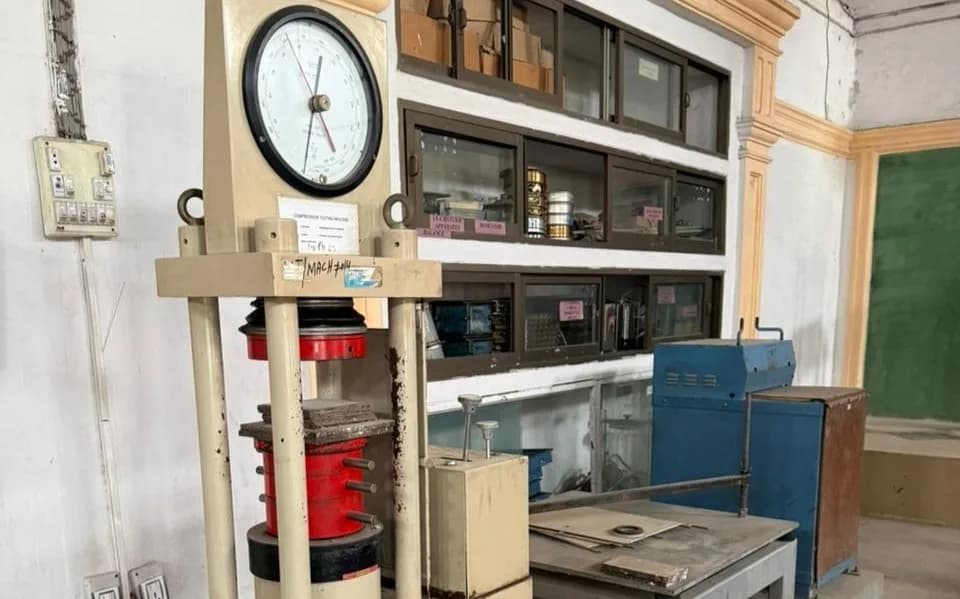
Equipped with a Universal Testing Machine (UTM), Compression Testing Machine (CTM), slump cone apparatus, cube moulds, curing tanks, and a Schmidt hammer. Students use this lab to test the strength and quality of construction materials such as concrete, steel, and other structural components.
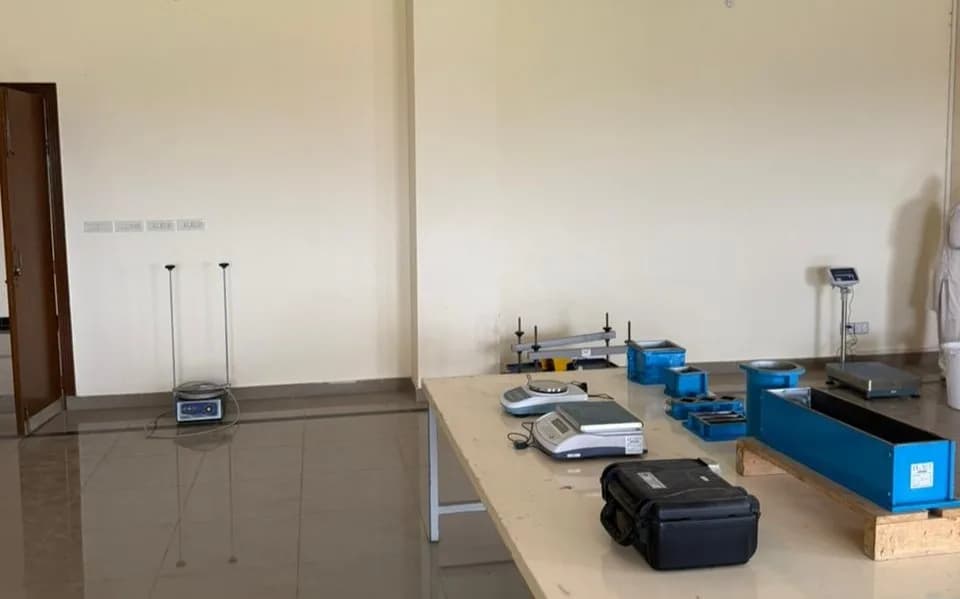
Houses a structural testing frame, beam apparatus, strain gauges, a shake table, sieve shaker, and truss demonstrators. Used for advanced structural analysis and research into concrete and structural element performance.
.webp&w=3840&q=75)
Contains Atterberg limits sets, Standard/Modified Proctor apparatus, direct shear apparatus, consolidation apparatus, permeameter, and sieves. Students use this lab to study soil properties, classification, compaction, shear strength, and foundation design parameters.
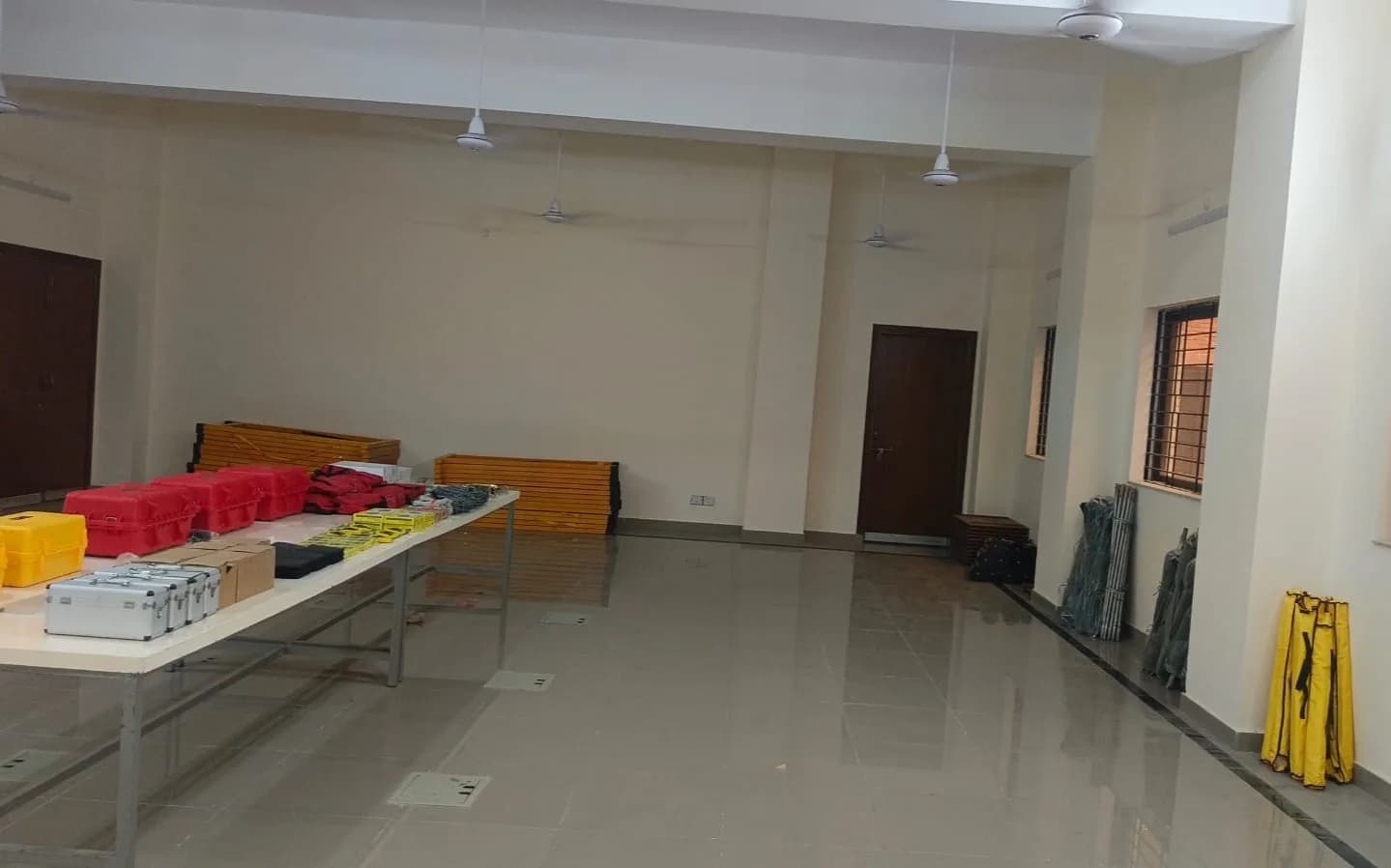
Equipped with total stations, theodolites, automatic levels, GPS receivers, ranging rods, and levelling staffs. Used for hands-on training in land surveying, elevation measurement, and site mapping techniques.
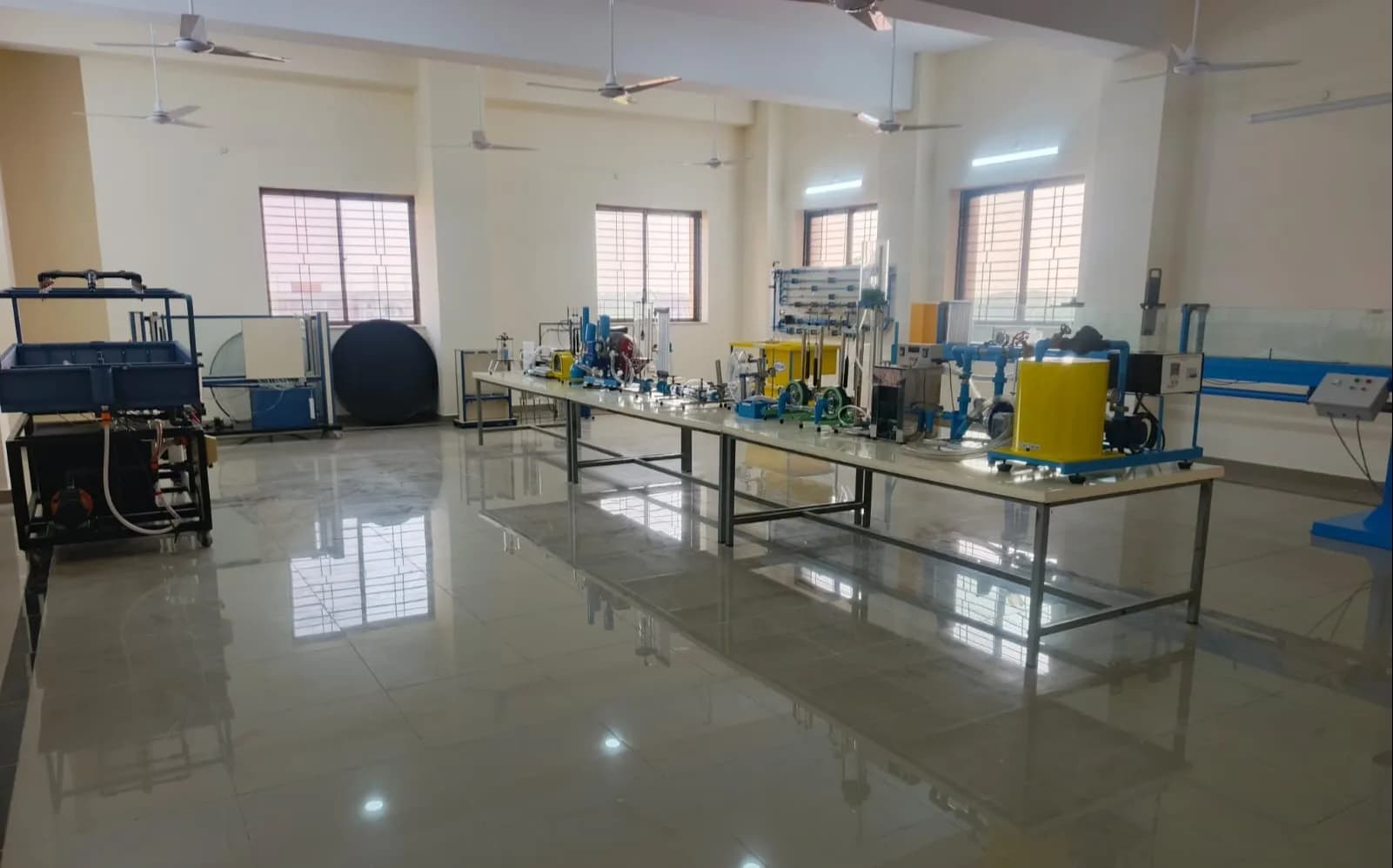
Includes a hydraulic bench, flow measurement devices (orifice, venturi), and pipe friction apparatus. Used to study fluid mechanics principles, flow behavior, and hydraulic system performance.
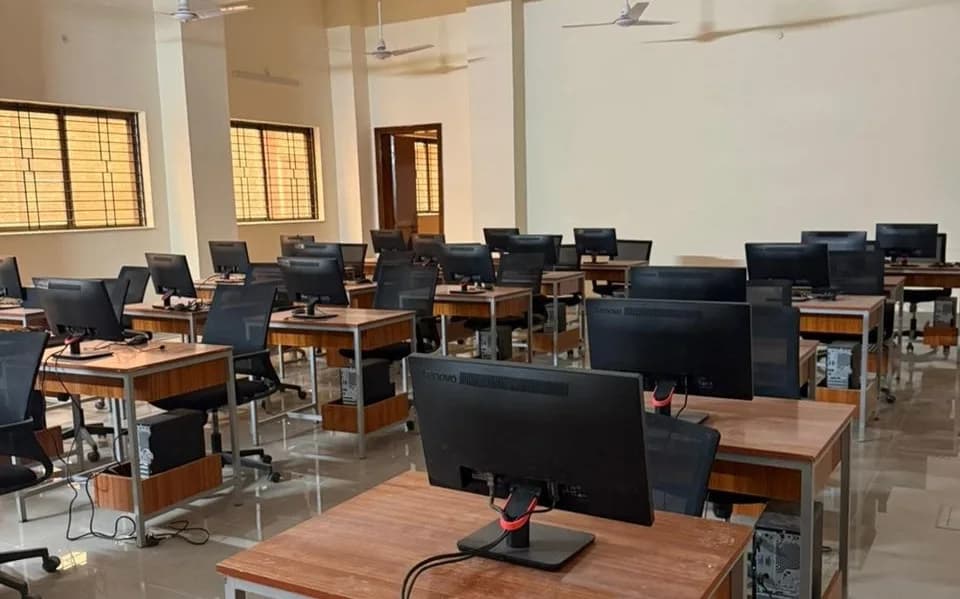
Fitted with industry-standard software including AutoCAD, Revit, SAP2000, ETABS, Primavera P6, and MS Project. Students use this lab for structural modeling, design drafting, project scheduling, and construction management simulations.
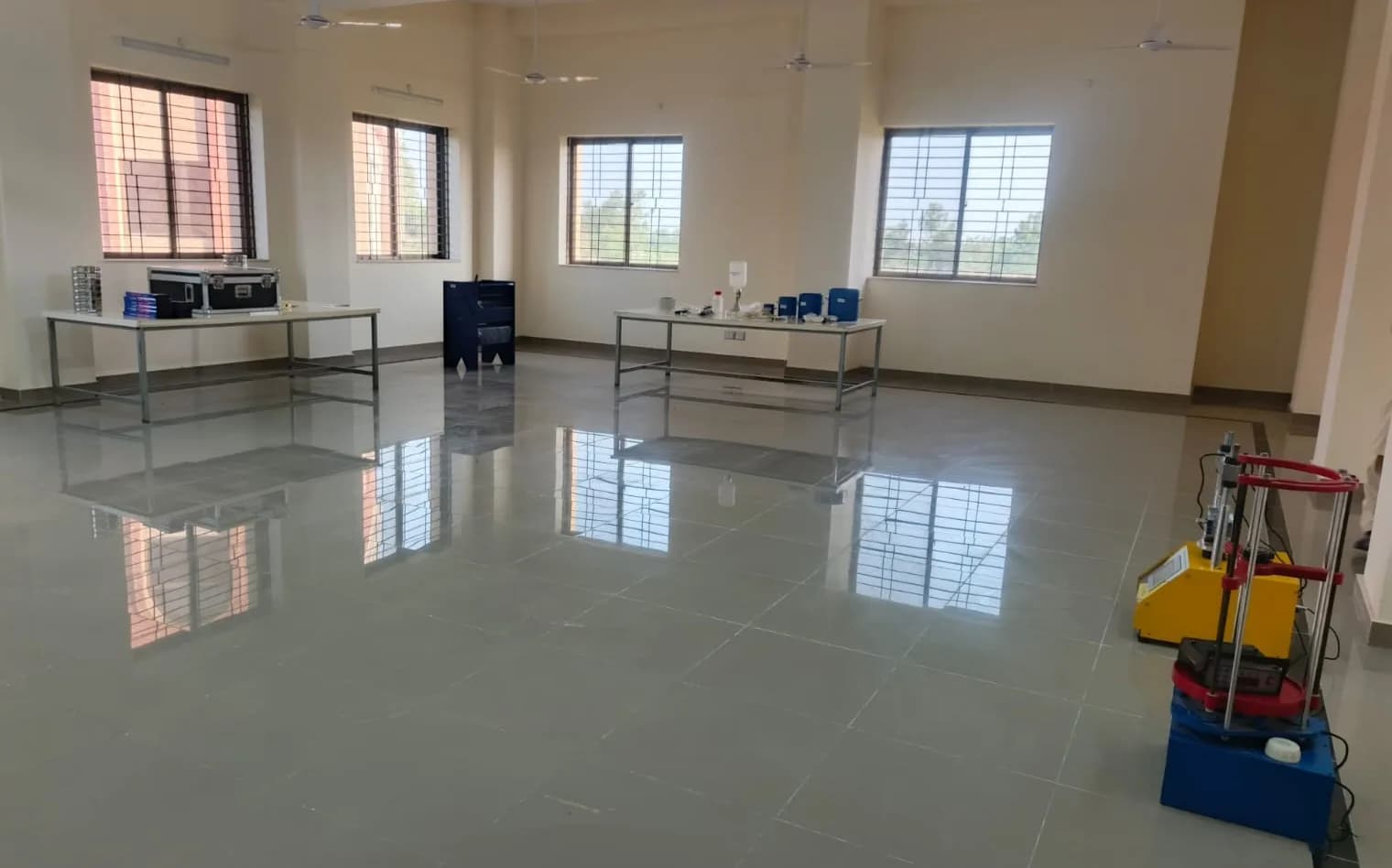
Equipped with a fine sieve shaker, sample splitter, thickness and length gauges, skid resistance tester, marshall stability machine, and water bath. Students use this lab for testing road construction materials, pavement design, and asphalt mix performance.
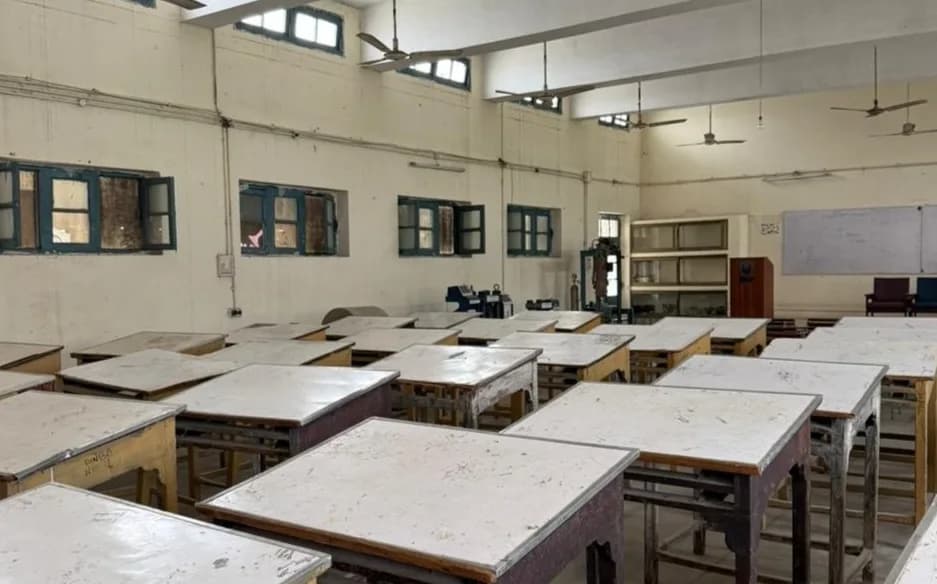
Furnished with drawing tables and stools. Used for manual technical drawing, drafting exercises, and engineering sketch work.
Explore our 1 degree programme, learn from 5 dedicated faculty members, and begin your journey at the University of Rasul.