Assistant Professor
Ph.D. Veterinary Microbiology (Indonesia), M.Phil. Veterinary Microbiology (UAF, Pakistan), DVM and RVMP (UAP, Pakistan)
Veterinary Microbiology (Veterinary Bacteriology and Virology)
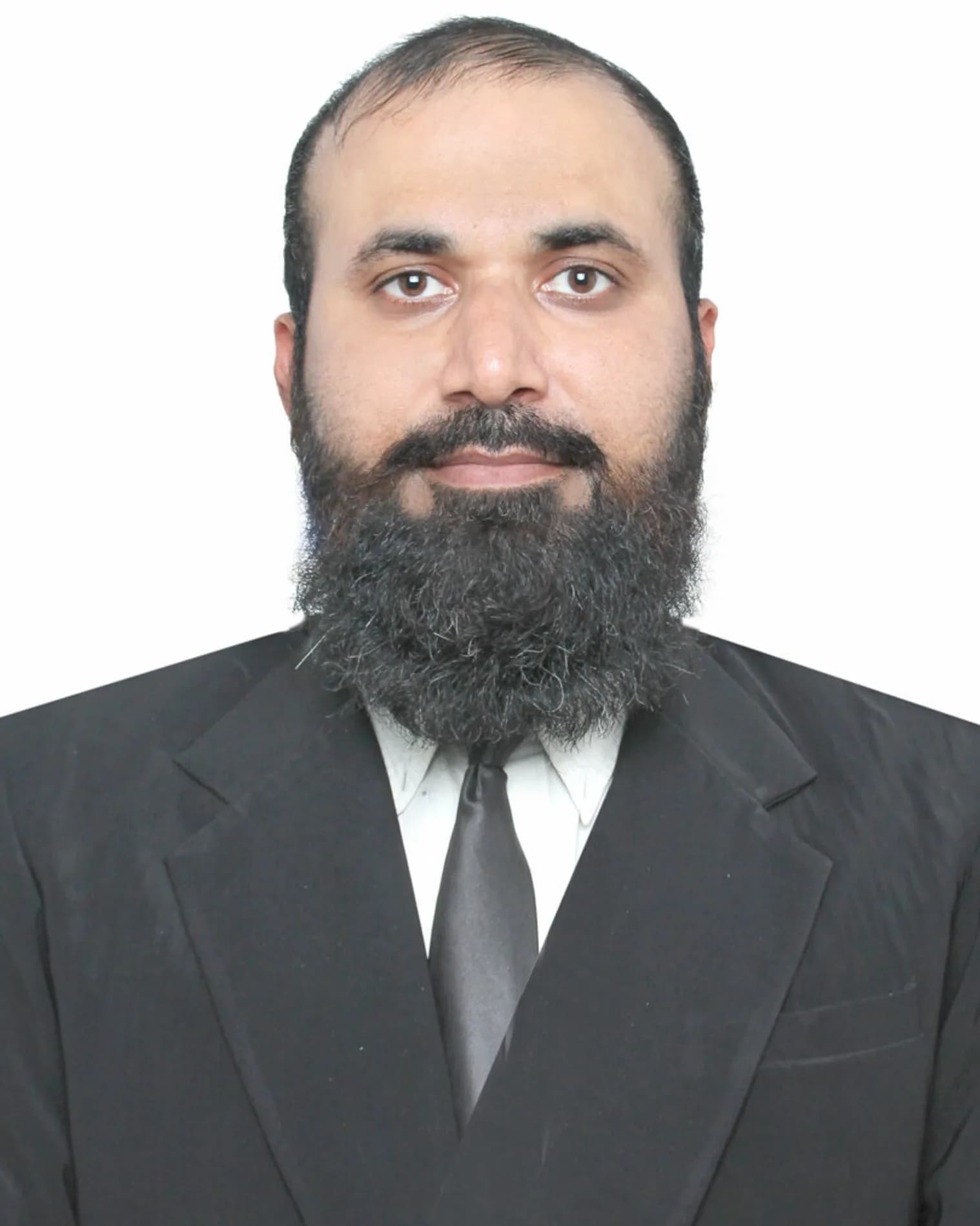
Dr. Sami Ullah Khan is a distinguished Pakistani academic, researcher, and educator specializing in Veterinary Microbiology, Molecular Microbiology, Microbial Genetics, Veterinary Virology, Immunology, and Genomic Epidemiology. He currently serves as an Assistant Professor (BPS-19) in the Department of Microbiology, University of Rasul, Mandi Bahauddin, Punjab, Pakistan, where he is actively engaged in teaching, research, undergraduate supervision, and academic administration. Dr. Khan earned his Doctor of Philosophy (Ph.D.) in Veterinary Microbiology from the Faculty of Veterinary Medicine, Universitas Gadjah Mada (UGM), Yogyakarta, Indonesia, one of Southeast Asia's leading research universities. He completed his doctoral studies under the prestigious Gadjah Mada International Fellowship (GMIF), receiving advanced training in microbial genetics, molecular diagnostics, and veterinary infectious diseases. His doctoral research focused on the genetic characterization of the E2 structural protein of Bovine Viral Diarrhea Virus (BVDV) isolated from dairy cattle in Indonesia, providing significant insights into viral evolution, molecular epidemiology, and vaccine-related antigenic diversity. Prior to his doctoral studies, Dr. Khan completed his Master of Philosophy (M.Phil.) in Veterinary Microbiology from the University of Agriculture, Faisalabad, Pakistan. His M.Phil. research investigated the antimicrobial susceptibility patterns of *Shigella dysenteriae* isolated from tertiary hospitals, reflecting his long-standing interest in antimicrobial resistance (AMR), clinical microbiology, and infectious disease surveillance. He also earned his Doctor of Veterinary Medicine (DVM) degree from The University of Agriculture, Peshawar, establishing a strong foundation in veterinary medicine and animal health sciences. Throughout his academic career, Dr. Khan has developed expertise in a broad spectrum of research areas including antimicrobial resistance (AMR), genomic epidemiology of bacterial pathogens, viral genomics, molecular diagnostics, microbial evolution, host–pathogen interactions, veterinary immunology, zoonotic diseases, comparative genomics, population genomics, and infectious disease surveillance. His current research particularly emphasizes the molecular evolution of Bovine Viral Diarrhea Virus (BVDV) and the genomic epidemiology of *Staphylococcus aureus*, integrating next-generation sequencing, phylogenetics, comparative genomics, and bioinformatics to understand pathogen diversity and antimicrobial resistance mechanisms. Dr. Khan has authored and co-authored numerous research articles published in international peer-reviewed journals indexed by Web of Science, Scopus, and HEC-recognized databases. His publications encompass veterinary microbiology, molecular virology, microbial genetics, immunology, livestock diseases, zoonoses, genomics, and public health. His cumulative research output reflects a strong commitment to advancing scientific knowledge and translating research findings into practical solutions for improving animal health, food safety, and disease prevention. He has also contributed as a book chapter author, publishing scholarly work on probiotics and prebiotics as innovative strategies for controlling zoonotic transmission in brucellosis, highlighting his multidisciplinary approach to infectious disease control. Recognized internationally for his research excellence, Dr. Khan was awarded the Gadjah Mada International Fellowship (GMIF) for doctoral studies in Indonesia. Earlier in his academic career, he received First Position in an international scientific poster competition for his innovative work on nutritional immunostimulants designed to enhance animal immune responses. These achievements reflect his dedication to scientific excellence, innovation, and translational research. In addition to his research accomplishments, Dr. Khan has accumulated extensive teaching experience at undergraduate and postgraduate levels. Before joining the University of Rasul, he served as a Lecturer in Veterinary Microbiology and Immunology at the Khyber Institute of Veterinary Sciences, Peshawar, where he taught microbiology, immunology, and veterinary laboratory sciences. He has also taught biology and contributed to research activities at several academic institutions in Pakistan. His teaching philosophy emphasizes inquiry-based learning, scientific reasoning, laboratory competence, and the integration of modern molecular techniques into microbiology education. Dr. Khan actively participates in national and international scientific conferences, workshops, seminars, and professional training programs related to microbiology, molecular biology, bioinformatics, climate-resilient agriculture, infectious diseases, research proposal development, and advanced laboratory methodologies. His technical competencies include MEGA, R Programming, SPSS, molecular biology techniques, microbial diagnostics, phylogenetic analysis, comparative genomics, and statistical data analysis. These skills enable him to conduct multidisciplinary research addressing emerging veterinary and public health challenges. As an advocate of international scientific collaboration, Dr. Khan has participated in collaborative research initiatives supported by the Directorate of Partnership and Global Relations, Universitas Gadjah Mada, and maintains active collaborations with researchers in Pakistan, Indonesia, China, and other countries. He is also an international member of the American Society for Microbiology (ASM), reflecting his commitment to global scientific engagement and continuous professional development. At the University of Rasul, Dr. Khan is dedicated to strengthening research capacity, mentoring young scientists, promoting interdisciplinary collaborations, and advancing evidence-based solutions to emerging infectious diseases affecting both animals and humans. His long-term vision is to establish internationally recognized research programs focusing on One Health, antimicrobial resistance, molecular epidemiology, genomic surveillance, and precision diagnostics, thereby contributing to sustainable livestock production, food security, and global public health. Through his teaching, research, and professional service, Dr. Sami Ullah Khan continues to make meaningful contributions to veterinary microbiology and molecular infectious disease research. His commitment to scientific excellence, innovation, international collaboration, and academic leadership positions him among the emerging scholars dedicated to addressing contemporary challenges in veterinary and biomedical sciences.
Genetic Analysis of structural and non-structural proteins of RNA viruses, Antimicrobial Resistance (AMR), Genomic Epidemiology and Population Genomics of viral and bacterial pathogens, Molecular Diagnostics, Diagnostic Microbiology, and Veterinary Infectious Diseases (including Bovine Viral Diarrhea Virus).